
The Top 5 IT Security Threats Facing Small Businesses

Small businesses are increasingly targeted by cybercriminals due to their limited resources and defenses. In this article, we'll explore the top 5 IT cyber security threats facing small businesses and discuss strategies to prevent them.
1. Phishing Attacks
David Gewirtz, a writer for ZDNet, encountered a three-pronged PayPal phishing scam that aimed to trick recipients into sending money, calling a potentially billable phone number, and divulging personal information to scammers posing as PayPal's fraud department. He received an email that alerted him to potentially fraudulent activity on his PayPal account. When he clicked on the link, it sent him to a website impersonating PayPal and asking him to log in, which would have sent his credentials to the scammers. The scammers attempted to get him to either click "Send Money" in PayPal, call a potentially billable phone number, or provide personal information by calling a number disguised as PayPal's fraud department. David contacted PayPal directly, canceled the transaction, and shared his experience in an article to warn others about the scam.
Phishing attacks: These are one of the most significant potential threats facing your security architecture. They are a type of social engineering attack where cyber criminals impersonate legitimate entities to deceive users into revealing sensitive information. In 2021, a phishing attack on Ledger, a cryptocurrency wallet provider, exposed customer data, including email addresses and phone numbers. Phishing attacks have become a growing cybersecurity threat and an increasingly common form of social engineering. Cybercriminals orchestrate these attacks by posing as trustworthy entities to deceive users into revealing sensitive information or performing actions that compromise their security. These attackers craft convincing phishing emails to lure victims into clicking on malicious links or opening infected attachments.
Different types of phishing attacks include:
Spear phishing
CEO fraud/Business Email Compromise (BEC)
Whaling
Phishing attacks have been growing in frequency and sophistication. Small businesses can be severely impacted by these cyberattacks. To counteract phishing campaigns, organizations can utilize threat intelligence, which involves gathering and analyzing data about existing and emerging threats. By understanding the tactics, techniques, and procedures used by cybercriminals, security professionals can develop effective defenses against phishing attacks. This may include implementing security programs such as email filters to block phishing emails, raising user awareness through training, and deploying advanced security solutions that detect and prevent phishing attempts.
To prevent phishing, consider implementing security settings that can include Email Security Gateways, Multi-Factor Authentication, and Security Awareness Training.
2. Malware Attacks
In May 2021, the Colonial Pipeline, a major U.S. fuel pipeline operator, was hit by a malware attack attributed to the DarkSide cybercriminal group. The attack disrupted fuel supplies along the East Coast of the United States, causing widespread panic and fuel shortages. The company was forced to shut down its pipeline operations temporarily to contain the malware and mitigate its effects.
Malware is malicious software designed to infiltrate, damage, or disable computer systems. In 2020, the Emotet malware attack targeted numerous organizations worldwide, infecting networks and spreading other malware strains. Malware attacks have been responsible for significant financial losses for many companies, causing disruptions, data breaches, and potential reputational damage. As new security threats continue to evolve, organizations need to adopt robust defense mechanisms to protect their digital assets and access to data.
Different types of malware attacks include:
Viruses
Trojans
Ransomware
Malware attacks are a growing threat and pose significant risks to small businesses. BYOD (Bring Your Own Device) policies can further increase vulnerabilities. Both cloud security and network security play a crucial role in defending against malware threats. By adopting a comprehensive cloud security strategy, businesses can safeguard their cloud infrastructure and applications from various attack vectors. Likewise, network security measures, such as firewalls, intrusion detection systems, and secure web gateways, help protect the organization's network and connected devices from malicious activity.
To further strengthen defenses against malware, it is essential for businesses to prioritize security patches and update their security software regularly. These updates address known vulnerabilities, fix security flaws, and offer enhanced protection against the latest malware threats. By keeping software and systems up-to-date, organizations can significantly reduce the risk of successful malware attacks and minimize potential damages.
Prevent malware attacks using Endpoint Protection and Web Security.
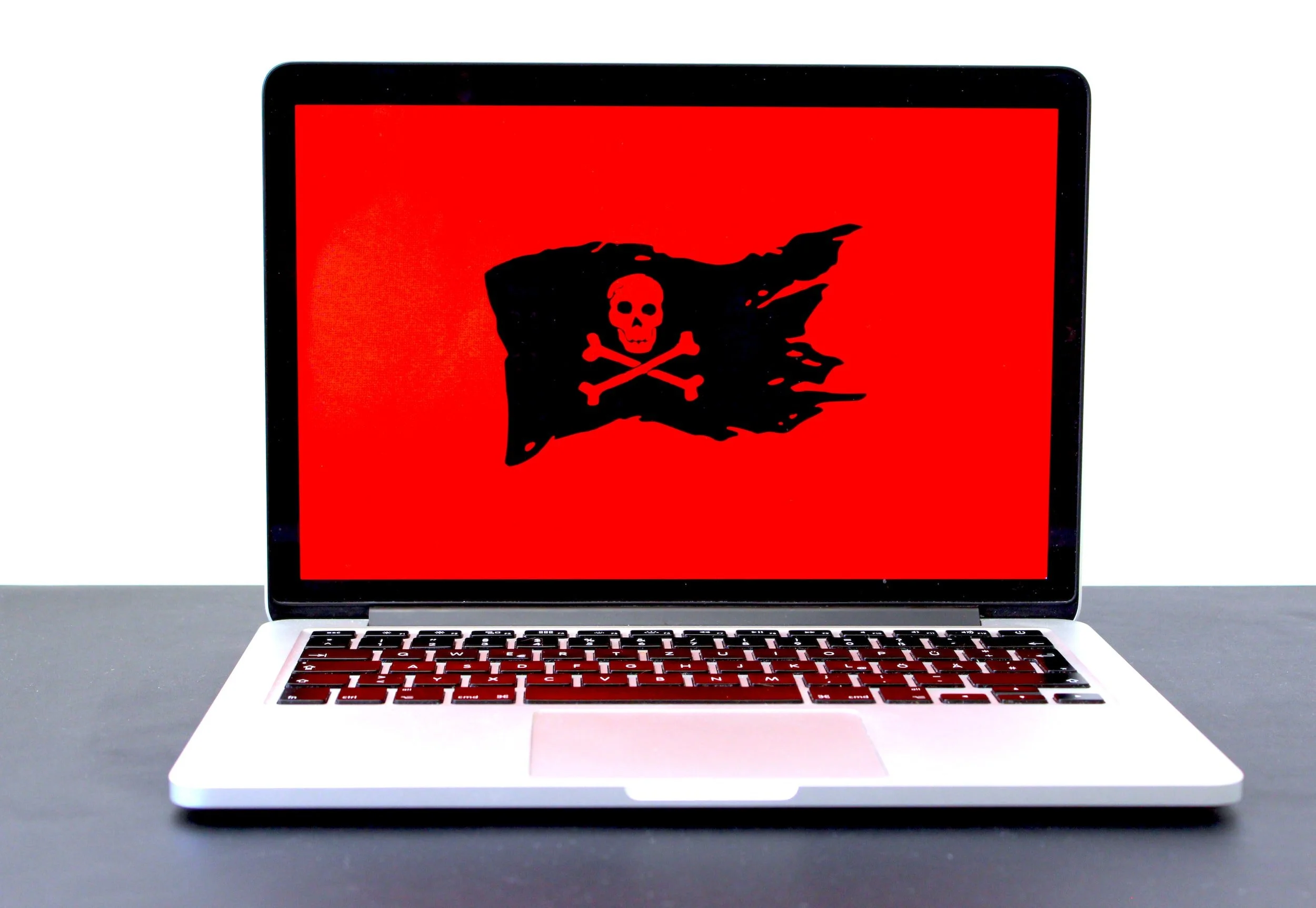
3. Ransomware
In 2020, Garmin, a global leader in GPS navigation and wearable technology, fell victim to a ransomware attack known as WastedLocker. The attack crippled the company's online services, rendering its fitness devices and aviation products inoperable for several days. Garmin was forced to pay a multimillion-dollar ransom to the attackers to regain control of its systems and restore services to its customers. This high-profile incident underscores the severe consequences that malware attacks can have on businesses and their clients.
Ransomware is a type of malware that encrypts a victim's data and demands payment for its release. In 2021, the Colonial Pipeline ransomware attack disrupted fuel supply in the U.S., causing widespread panic and economic impact. Ransomware attacks involve the use of encryption to lock down a victim's data, making it inaccessible until a ransom is paid to the attackers. In these attacks, cybercriminals use encryption algorithms to scramble the data and generate a decryption key, which is then held hostage. Victims often must pay the ransom to receive the decryption key and regain access to their data.
Different types of ransomware include:
Encrypting ransomware
Locker ransomware
Scareware
Ransomware attacks are increasingly targeting small businesses, which are often less prepared for such threats. Security experts play a vital role in assisting companies with ransomware remediation. They provide guidance on how to respond to an attack, evaluate the risks, and help determine the best course of action, which may involve negotiating with the attackers or attempting to recover the data without paying the ransom. Additionally, security experts can help businesses implement preventive measures to minimize the risk of future ransomware attacks.
Maintaining a strong security posture is crucial for defending against ransomware attacks. This involves implementing a multi-layered security approach, including regular backups, up-to-date security software, employee training, and network monitoring. By adopting best practices and staying vigilant, organizations can significantly reduce the likelihood of falling victim to ransomware attacks and ensure the safety of their valuable data.
To prevent and mitigate ransomware attacks, use Endpoint Protection, Cloud Back-up Solutions, and Data Recovery.

4. Weak Passwords
In 2020, Zoom, a popular video conferencing platform, faced a security issue called "Zoom bombing," where attackers used weak passwords to gain unauthorized access to users' accounts and disrupt meetings. This widespread problem led to the exposure of personal information and interrupted countless virtual meetings, highlighting the importance of using strong, unique passwords.
Weak passwords are easily guessable or crackable passwords that provide minimal security. A weak password is typically one that is easy to guess or crack, often because it's too short, overly simplistic, or uses common words or patterns. Some examples of weak passwords include "123456", "password", or "qwerty". Poor password practices include using the same password across multiple accounts, not updating passwords regularly, or using easily discoverable personal information like birthdates or pet names in passwords. These weak passwords and practices make it easier for attackers to gain unauthorized access to accounts and compromise sensitive information.
Weak passwords can pose a significant risk to sensitive information, making it crucial for individuals and organizations to use strong username and password combinations to protect their data. A strong password typically includes a mix of uppercase and lowercase letters, numbers, and special characters, making it more difficult for attackers to guess or crack. Poor password habits among enterprise professionals can lead to breaches.
Implementing multiple security layers is essential in protecting company data from unauthorized access. This can include using multi-factor authentication (MFA), which requires users to provide additional verification beyond their passwords, such as a one-time code sent to their phone or a fingerprint. By adding extra layers of protection, businesses can minimize the risk of unauthorized access, even if a password is compromised.
Leveraging cloud infrastructure and cloud applications can also improve security, as many cloud service providers offer robust security measures, including encryption, intrusion detection, and regular security updates. By adopting cloud-based solutions, organizations can benefit from the provider's expertise and resources, ensuring that their sensitive data is better protected against threats like weak passwords and other cybersecurity risks.
Improve password security using Business Password Management and Multi-Factor Authentication. Some popular password management tools include Keeper and 1Password.
5. Insider Threats
In July 2020, an insider threat at Twitter led to a massive security breach that compromised several high-profile accounts, including those of Barack Obama, Joe Biden, Elon Musk, and Bill Gates. The attacker targeted Twitter employees, using social engineering tactics to gain access to internal systems and tools. The incident resulted in the takeover of 45 accounts, while the attacker sent out tweets from the compromised profiles soliciting Bitcoin payments. Twitter took immediate action to mitigate the impact, temporarily disabling some features for verified accounts. The incident raised concerns about the potential cybersecurity risks posed by insider threats and highlighted the need for organizations to improve their security measures, particularly in terms of employee training and access controls. In the case of Insider Threats, similar to Weak Passwords, the primary cyber threat arises not from third-party involvement but rather from the security vulnerabilities that exist within the targeted organization itself.
Insider threats are security risks posed by employees, contractors, or other trusted individuals with access to a company's systems or data. In 2020, Twitter experienced an insider threat attack where cybercriminals accessed the accounts of high-profile users and posted fraudulent messages.
Different types of insider threats include:
Malicious insiders
Negligent insiders
Infiltrators
Insider threats have a significant impact on businesses, and excessive access privileges are a growing problem. To prevent insider threats, implement Security Awareness Training and Access Control.
Conclusion
The top 5 IT security threats facing small businesses are phishing attacks, malware attacks, ransomware, weak passwords, and insider threats. These top security threats can highlight the system vulnerabilities of many organizations. That's why it is important to implement a comprehensive cybersecurity strategy that can enable businesses with information security and the steps to protect outside users from accessing sensitive info. A set of security tools and training is crucial to safeguard your business from these and any emerging cyber threats. For more information on security solutions, visitOzark Technology.
Ozark Technology is a Business Technology Provider that helps organizations across the country rethink the value technology brings to their business. Want to partner with us? Let’s chat.