The Biggest Upcoming Threats in Mobile Security
Written By: Kristopher Wyatt
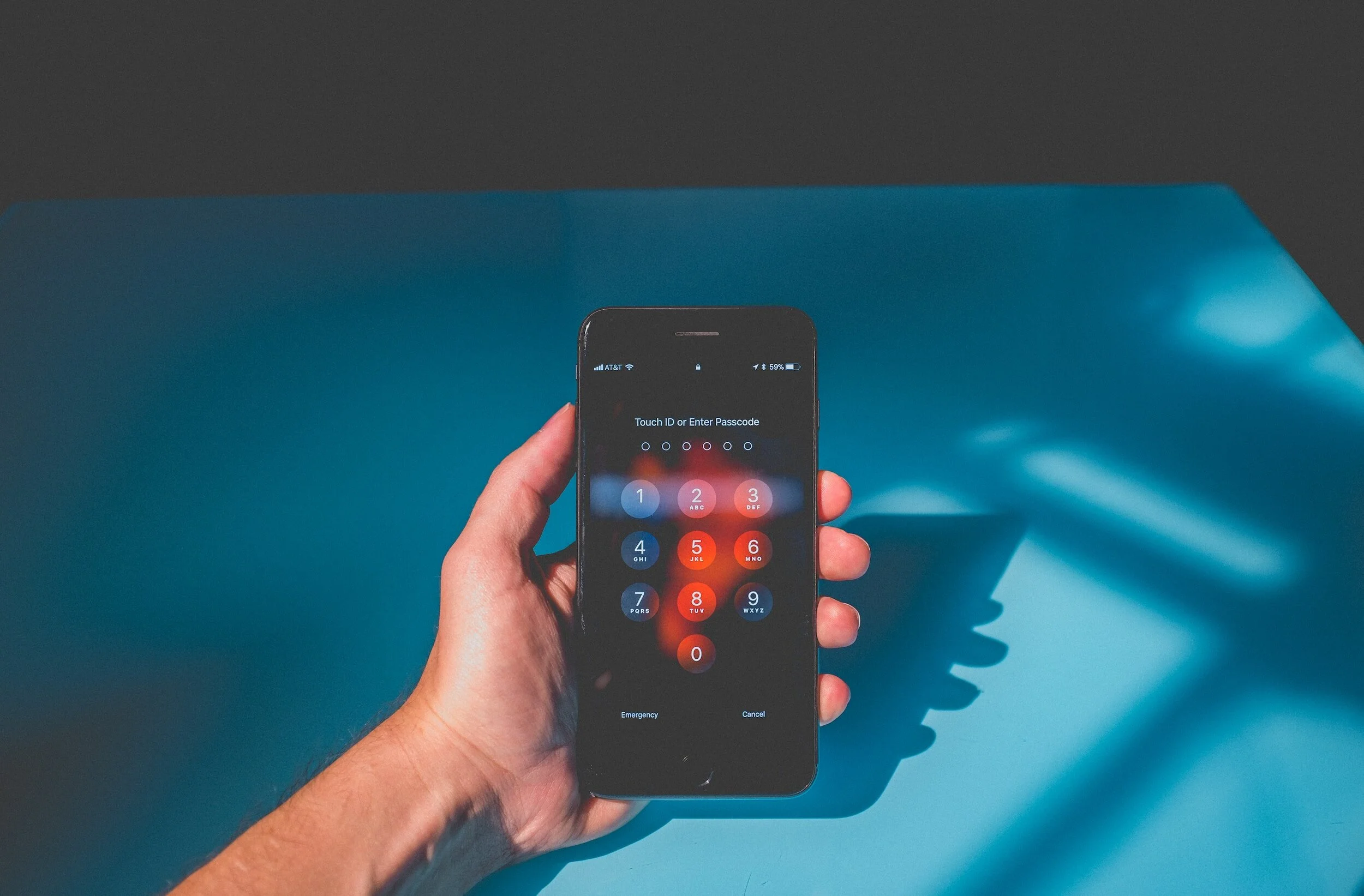
In our current world, the reliance on mobile devices has never been greater. We use them for everything, from managing our schedules and communicating with others to banking and shopping. However, as our dependence on these devices grows, so does the importance of mobile security. Cyber threats are evolving and becoming more sophisticated, posing significant risks to our personal and professional lives. This blog post aims to shed light on the biggest upcoming threats in mobile security, helping you stay informed and prepared.
A Background on Mobile Security
Mobile security, or more specifically, the protection of smartphones, tablets, laptops, and other portable computing devices, and the networks they connect to, has been a concern since the advent of the digital age. However, as these devices have become more sophisticated, so too have the potential threats they face.
In the early days of mobile technology, the primary concerns were relatively simple. Physical theft or loss of the device was the most common issue, leading to the development of features like remote locking or wiping of the device. As mobile devices became more integrated with the internet, threats began to evolve. Malware and viruses, once only a concern for desktop computers, became a potential problem for mobile devices as well.
The introduction of smartphones marked a significant shift in the mobile security landscape. These devices, essentially handheld computers, opened up a whole new world of functionality—and with it, vulnerability. The ability to install apps from various sources meant that malicious software could easily find its way onto a device. In response, app marketplaces like Google's Play Store and Apple's App Store implemented strict security checks to protect users.
As we moved into the era of mobile banking, e-commerce, and sensitive work-related tasks being performed on mobile devices, data security became paramount. Encryption and secure data transmission techniques were developed to protect sensitive information.
The Current State of Mobile Security
The current state of mobile security is a complex landscape, shaped by the ongoing battle between cybersecurity advancements and the evolving tactics of cybercriminals. As mobile devices become more integral to our daily lives, they also become more attractive targets for cyberattacks.
Today, mobile devices are not just personal communication tools. They are wallets, workstations, and repositories of personal information. This shift has led to a significant increase in the value of the data stored on our devices, making them a lucrative target for cybercriminals.
Malware remains a significant threat, with new and more sophisticated variants appearing regularly. These malicious programs can steal data, damage software, and even take control of devices. They are often disguised as legitimate apps or hidden in software updates, making them difficult to detect.
Phishing attacks have also adapted to the mobile world. Cybercriminals use deceptive messages, often disguised as communication from trusted sources, to trick users into revealing sensitive information or installing malicious software.
Moreover, the rise of Internet of Things (IoT) devices has introduced new security challenges. Many of these devices lack robust security features, making them potential entry points for cybercriminals looking to access networks and data.
On the positive side, efforts to combat these threats are also evolving. Mobile operating systems like iOS and Android regularly release security updates to patch vulnerabilities. Many organizations have implemented mobile device management (MDM) solutions to secure their fleet of devices. And a growing market of security apps offers additional protection options for individual users.
However, despite these efforts, the reality is that no device is completely secure. As long as cybercriminals continue to find profitable opportunities in attacking mobile devices, the threats will persist. This makes understanding and preparing for the upcoming threats in mobile security all the more important.
Biggest Upcoming Threats in Mobile Security
As we look to the future, several key threats stand out in the realm of mobile security. These threats represent the next wave of challenges that individuals and organizations will need to prepare for.
Advanced Malware
Cybercriminals are continually developing more sophisticated forms of malware. These malicious programs are designed to evade detection and can perform a range of damaging activities, from stealing sensitive data to taking over device functions. Advanced malware can even propagate itself across devices and networks, making it particularly difficult to eradicate.
Phishing Attacks
While not a new threat, phishing attacks are becoming increasingly sophisticated. Cybercriminals are now using more convincing disguises and targeting their attacks more carefully. Mobile users are particularly vulnerable to these attacks, as smaller screen sizes can make it harder to spot the signs of a phishing attempt.
IoT Security Risks
As the Internet of Things (IoT) continues to expand, so too do the security risks associated with it. Many IoT devices lack robust security features and can be easily compromised. Once a single device is compromised, it can be used as a gateway to access other devices and data on the same network.
AI-Powered Cyberattacks
Artificial intelligence (AI) is a double-edged sword in the realm of cybersecurity. While it can be used to improve security measures, it can also be used to power more sophisticated cyberattacks. AI can be used to automate attacks, identify vulnerabilities more quickly, and even adapt to defensive measures in real-time.
Data Leakage
As more and more sensitive data is stored and transmitted on mobile devices, the risk of data leakage becomes a significant concern. This can occur through malicious apps, insecure Wi-Fi connections, or even physical loss or theft of the device. The consequences of such leaks can be severe, particularly when they involve personal or financial data.
These upcoming threats represent significant challenges in the realm of mobile security. However, by staying informed and taking proactive measures, individuals and organizations can significantly reduce their risk.
How to Protect Against These Threats
Despite the evolving threats in mobile security, there are several steps individuals and organizations can take to protect themselves. Here are some key strategies:
Regular Updates
Keeping your mobile operating system and apps updated is one of the most effective ways to protect against threats. These updates often include patches for known security vulnerabilities that could be exploited by cybercriminals.
Security Software
Install a reputable mobile security app that can detect and remove malware, block malicious websites, and provide other security features. Ensure that this software is kept up to date.
Secure Connections
Avoid using public Wi-Fi networks for sensitive activities, as they can often be insecure. If you must use a public network, use a Virtual Private Network (VPN) to encrypt your data and protect it from potential eavesdroppers.
Phishing Awareness
Be wary of unexpected messages or communications that ask for personal information, even if they appear to come from a trusted source. Always double-check the source and never click on suspicious links.
IoT Security
If you use IoT devices, make sure they are from reputable manufacturers that take security seriously. Regularly update the software on these devices and change any default passwords.
Data Management
Be mindful of the data you store on your mobile device. Use encryption to protect sensitive data and consider using a secure app or cloud service for storing this information.
Physical Security
Don't overlook the importance of physical security. Use strong, unique passcodes for your devices and consider using biometric security features if available.
For businesses and organizations, these strategies should be complemented with a comprehensive mobile device management (MDM) solution. This can help manage and secure a fleet of devices, enforce security policies, and provide additional protection against threats.
While these measures can significantly reduce the risk of falling victim to mobile security threats, it's important to remember that no solution is 100% foolproof. Staying informed about the latest threats and maintaining a proactive approach to security is crucial in this ever-evolving landscape.
Conclusion
As our reliance on mobile devices continues to grow, so too does the importance of mobile security. However, by staying informed about these threats and taking proactive measures, we can significantly reduce our risk. It's crucial for both individuals and organizations to prioritize mobile security, not just for the protection of sensitive data, but also to maintain trust in the digital systems that we increasingly rely on.
Ozark Technology is a Business Technology Provider that helps organizations across the country rethink the value technology brings to their business. Want to partner with us? Let’s chat.