Written By: Kristopher Wyatt
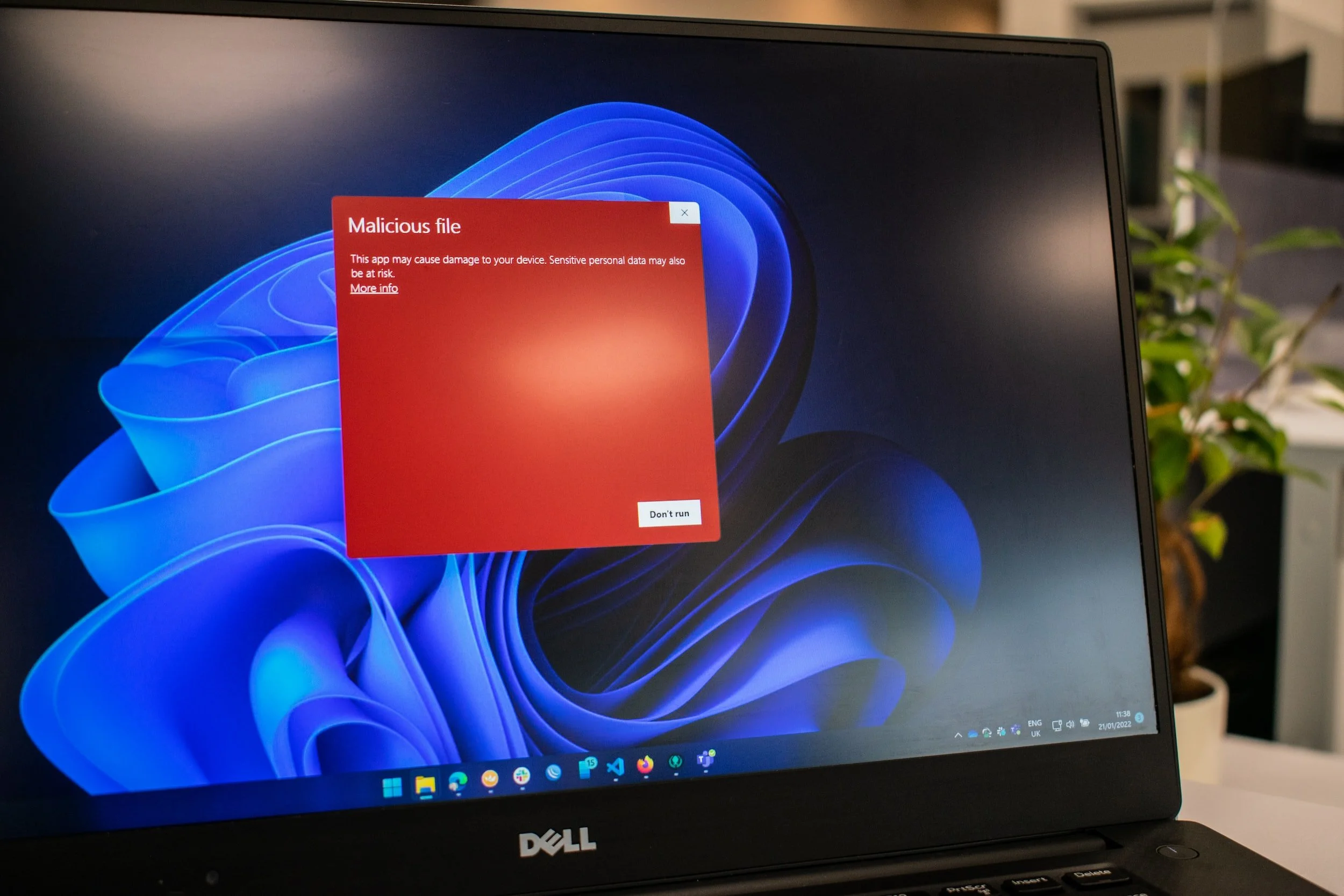
In the digital age, cybersecurity has become a top priority for individuals and organizations alike. With the increasing amount of sensitive information being stored and shared online, the threat of cyber attacks has also grown exponentially. As a result, there has been a growing focus on implementing various security measures to protect against these threats.
One effective approach is to regularly clean and maintain devices used to access the internet. In this article, we will discuss the reasons why cleaning devices can be good for cybersecurity, the different types of cleaning devices available, and best practices for using them. By following these guidelines, individuals and organizations can significantly reduce the risk of cyber attacks and keep their sensitive information safe.
How cleaning devices can enhance cybersecurity
Cleaning devices can enhance cybersecurity by providing a layer of protection against cyber threats. In this section, we will discuss how cleaning devices can achieve this goal.
Removal of malware and viruses: Malware and viruses are programs designed to cause harm to a computer system, steal sensitive information, or gain unauthorized access to a network. They can cause significant damage to a system by corrupting data, slowing down the system, and even rendering it useless. Cleaning devices, such as antivirus software and malware removal tools, can effectively scan and remove these harmful programs from a system.
Protection against phishing attacks: Phishing attacks are a common tactic used by cybercriminals to trick users into providing sensitive information, such as passwords and credit card details. These attacks are often carried out through email or fraudulent websites that appear to be legitimate. Cleaning devices can help protect against phishing attacks by identifying and blocking suspicious websites and emails that contain malicious links or attachments.
Reduction of vulnerabilities: System vulnerabilities can be exploited by hackers to gain unauthorized access to a network or steal sensitive information. Cleaning devices can reduce vulnerabilities by identifying and patching security flaws in a system, thereby making it more difficult for hackers to exploit these weaknesses.
Cleaning devices can significantly enhance cybersecurity by providing protection against malware and viruses, blocking phishing attacks, and reducing system vulnerabilities. By regularly cleaning and maintaining devices used to access the internet, individuals and organizations can greatly reduce the risk of cyber attacks and keep their sensitive information safe.
Ways of cleaning devices
There are several types of cleaning devices available that can help enhance cybersecurity. In this section, we will discuss some of the most common types of cleaning devices and their benefits.
Antivirus software: Antivirus software is designed to protect against viruses, malware, and other malicious programs. It typically works by scanning files and programs for known threats, and then either quarantining or deleting them. Antivirus software can be installed on individual devices or used to protect entire networks. Benefits of using antivirus software include real-time protection against threats, regular updates to keep up with the latest threats, and the ability to scan and clean devices on demand.
Malware removal tools: Malware removal tools are specialized software programs designed to detect and remove malware from a system. Unlike antivirus software, which focuses on preventing infections, malware removal tools are designed to clean up infections that have already occurred. They typically work by scanning the system for malicious files and then removing them. Benefits of using malware removal tools include the ability to remove malware that may have been missed by antivirus software, faster cleanup of infected systems, and the ability to remove specific types of malware.
Adware removal tools: Adware is software that displays unwanted advertisements on a user's device. While not as harmful as malware, adware can still be annoying and can slow down a system. Adware removal tools are designed to detect and remove these unwanted programs. They typically work by scanning the system for adware and then removing it. Benefits of using adware removal tools include a faster and more thorough cleanup of adware-infected systems, improved system performance, and the ability to prevent future adware infections.
Best practices for using cleaning devices
Using cleaning devices to enhance cybersecurity requires more than simply installing and running the software. In this section, we will discuss some best practices for using cleaning devices effectively.
Regular scanning and cleaning: One of the most important best practices for using cleaning devices is to perform regular scans and cleaning of devices. Depending on the type of cleaning device, this may mean daily, weekly, or monthly scans. Regular scans and cleaning can help detect and remove any malicious programs that may have been missed during previous scans. They also help to identify and remove any new threats that may have emerged since the last scan.
Updating software: Another important best practice is to ensure that cleaning device software is up to date. Updates typically contain security patches that address known vulnerabilities in the software. Regularly updating cleaning device software can help ensure that it is effective at detecting and removing the latest threats.
Avoiding risky online behavior: Even the most effective cleaning devices can't protect against all cyber threats. Users should also practice safe online behavior to avoid falling victim to cyber attacks. This includes avoiding suspicious links, not downloading software or files from untrusted sources, and being cautious when opening email attachments.
Using multiple cleaning devices: Different cleaning devices may be better suited for different types of threats. For example, antivirus software may be better at detecting and removing viruses, while malware removal tools may be better at detecting and removing other types of malware. Using multiple cleaning devices can provide an extra layer of protection against cyber threats.
Regular backups: In addition to using cleaning devices, users should also regularly backup important files and data. This can help mitigate the damage caused by a cyber attack, as well as any loss of data due to hardware failure or other issues.
By following these best practices, individuals and organizations can use cleaning devices to effectively enhance cybersecurity. Regular scanning and cleaning, updating software, avoiding risky online behavior, using multiple cleaning devices, and regular backups can all help reduce the risk of cyber attacks and keep sensitive information safe.
Closing Thoughts
Cleaning devices can be highly effective at enhancing cybersecurity and protecting against cyber threats. By removing malware and viruses, protecting against phishing attacks, and reducing system vulnerabilities, cleaning devices provide an important layer of protection against cyber attacks. There are several types of cleaning devices available, including antivirus software, malware removal tools, and adware removal tools, each with its own benefits.
To use these devices effectively, it is important to follow best practices such as regular scanning and cleaning, updating software, avoiding risky online behavior, using multiple cleaning devices, and regularly backing up important files and data. By implementing these best practices and using cleaning devices to their full potential, individuals and organizations can greatly reduce the risk of cyber attacks and keep their sensitive information safe.
Ozark Technology is a Business Technology Provider that helps organizations across the country rethink the value technology brings to their business. Want to partner with us? Let’s chat.